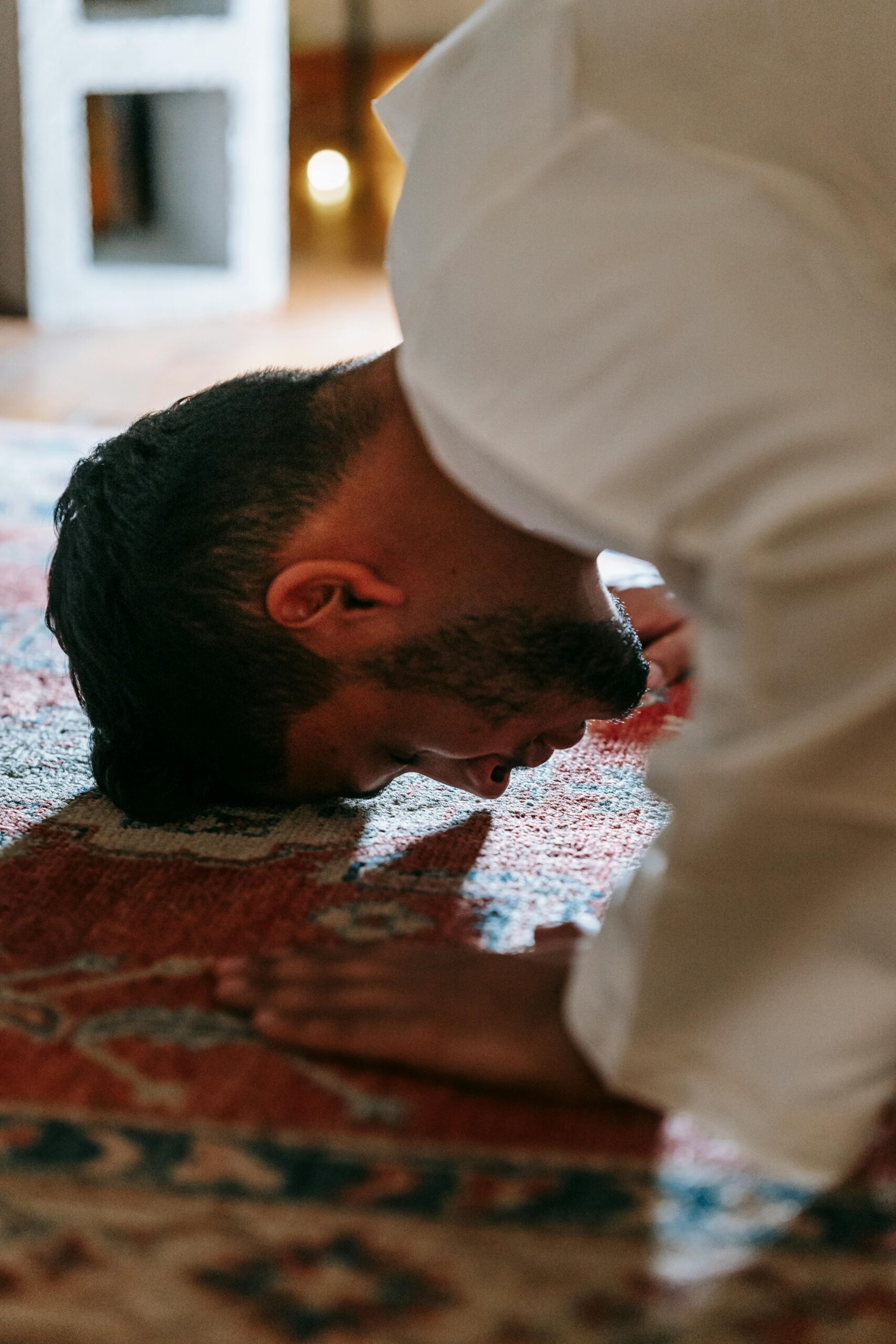
Islam has 5 prayer times these are Fajr ,Zuhar, Asar, Maghrib and Isha.
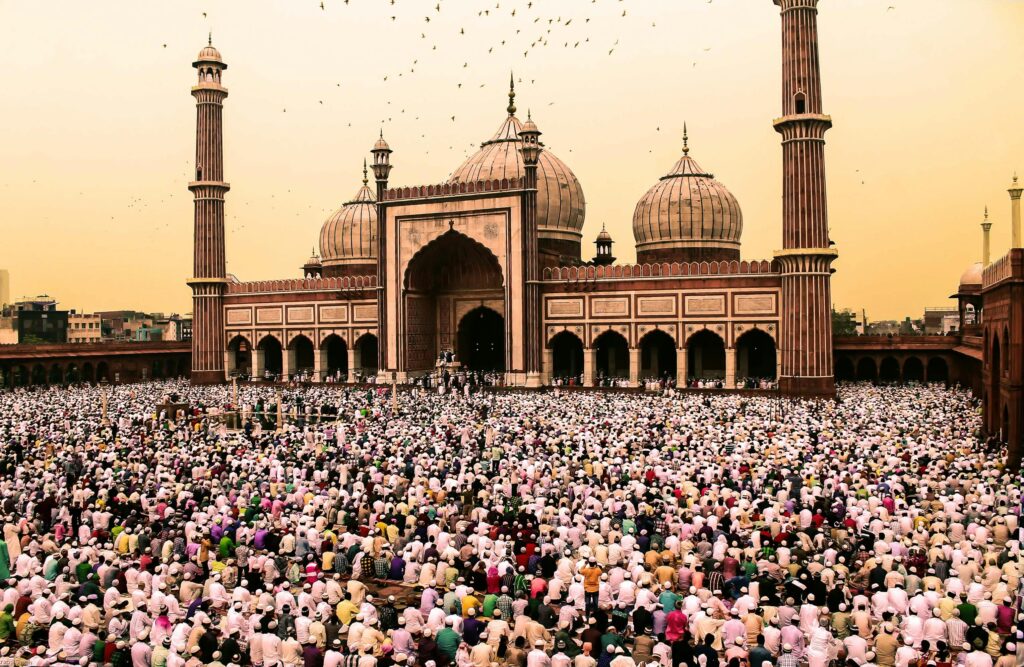
In the Islamic faith, Salah , or prayer at specific prayer times , holds immense significance as a means of connecting with the divine and strengthening one’s faith. Central to the practice of Salah are the five daily prayer times, each offering believers a sacred opportunity to pause, reflect, and commune with Allah. In this comprehensive guide, we delve into the importance of the five prayer times in Islam, exploring their spiritual significance, practical implications, and transformative power.
1. Fajr (Dawn Prayer):

Fajr, the pre-dawn prayer, marks the beginning of the day and symbolizes the awakening of the soul from slumber. It is observed before sunrise, serving as a spiritual awakening and a reminder of the divine blessings that await each day. Fajr prayer instills a sense of discipline and commitment, setting the tone for the day ahead with its tranquil and introspective atmosphere.
2. Dhuhr (Noon Prayer):
Dhuhr, the midday prayer, occurs when the sun begins to decline from its peak. It serves as a moment of pause amidst the hustle and bustle of daily life, offering believers the opportunity to reconnect with Allah and seek guidance in the midst of their activities. Dhuhr prayer reinforces the importance of gratitude and reflection, reminding believers of the transient nature of worldly affairs and the eternal significance of the divine.
3. Asr (Afternoon Prayer):
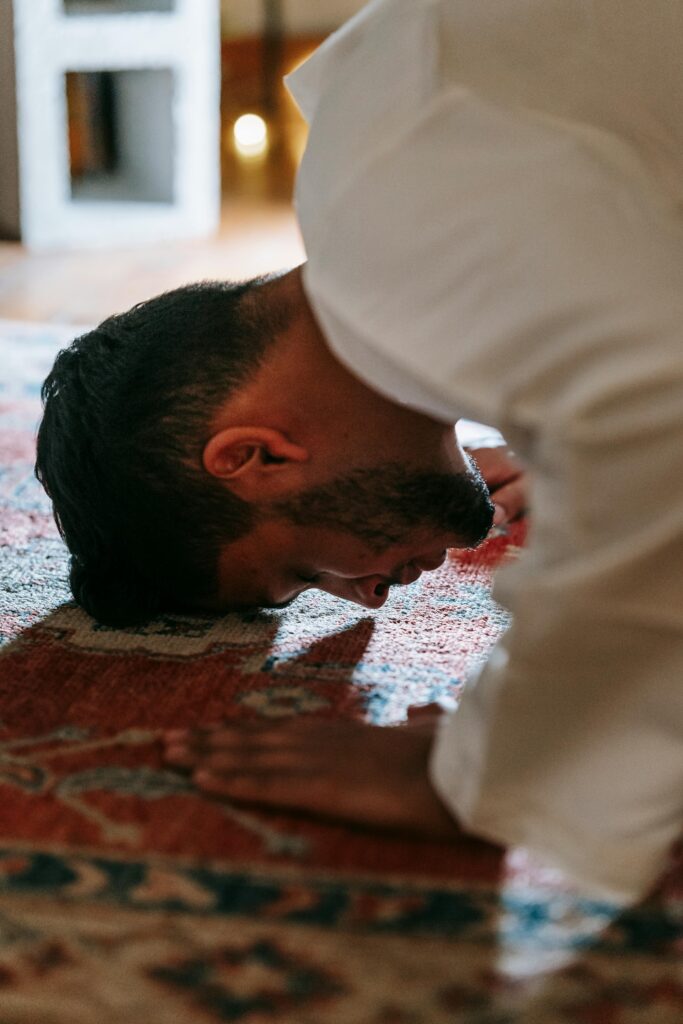
Asr, the afternoon prayer, takes place in the late afternoon as shadows lengthen and the day begins to wane. It serves as a spiritual rejuvenation, providing believers with a moment of solace and renewal amid the demands of the day. Asr prayer encourages believers to remain steadfast in their faith and seek refuge in Allah’s mercy, even in the face of life’s challenges and uncertainties.
4. Maghrib (Evening Prayer):
Maghrib, the evening prayer, occurs just after sunset, marking the transition from day to night. It is a time of gratitude and reflection, as believers offer thanks for the blessings of the day and seek forgiveness for any shortcomings. Maghrib prayer emphasizes the importance of humility and repentance, reminding believers of their dependence on Allah’s grace and mercy.
5. Isha (Night Prayer):
Isha, the night prayer, is observed after the darkness has fully descended, symbolizing the culmination of the day’s activities and the beginning of a period of rest and reflection. It is a time for introspection and supplication, as believers seek forgiveness for their sins and guidance for the challenges that lie ahead. Isha prayer reinforces the importance of faithfulness and perseverance, urging believers to remain steadfast in their devotion to Allah.
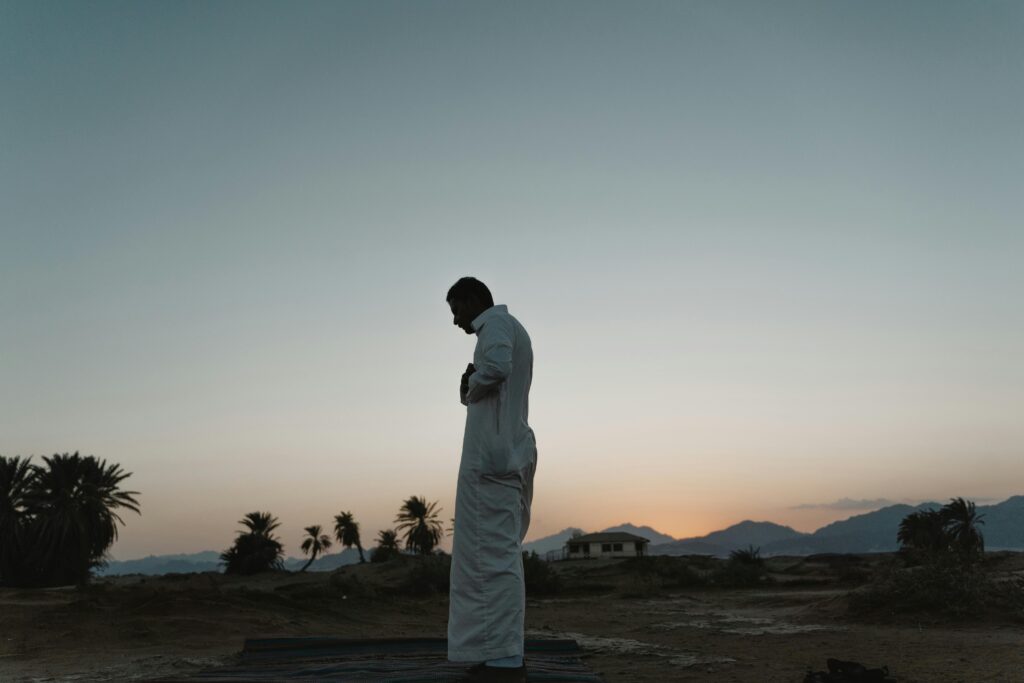
The five daily prayer times in Islam serve as spiritual anchors, guiding believers through the rhythm of the day and reminding them of their ultimate purpose in life. Each prayer offers a unique opportunity for connection, reflection, and transformation, enriching the spiritual journey of the faithful and fostering a deep sense of piety and devotion. By embracing the discipline of regular prayer and honoring the sacred moments prescribed by Allah, believers can unlock the full potential of their faith and experience the profound blessings of divine communion.
Hi there all, here every person is sharing these kinds of familiarity,
thus it’s nice to read this blog, and I used to pay a quick
visit this webhlog daily. https://ukrain-forum.biz.ua/
Hi there all, here every person is sharing these kinds oof familiarity, thus it’s ice to read this blog, and I used to pay a quiick
visit this weblog daily. https://ukrain-forum.biz.ua/